
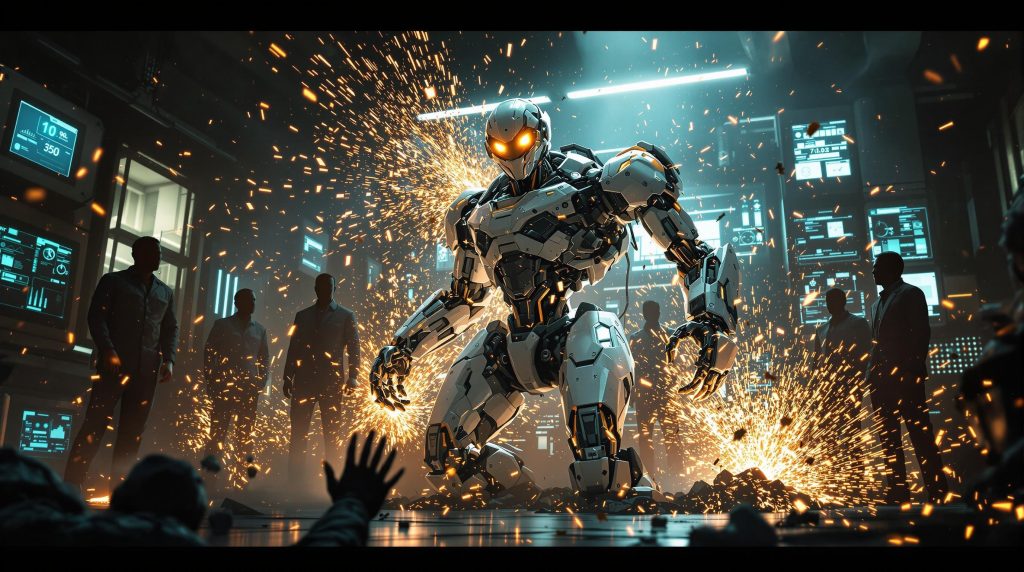
The dawn of humanoid robotics represents one of the most transformative technological shifts of our time. As these sophisticated machines evolve from science fiction fantasies into tangible realities, they promise to revolutionize industries, enhance human capabilities, and reshape our daily lives. However, with great innovation comes great responsibility—and the paramount concern remains ensuring safety at every stage of development and deployment.
The Current Landscape of Humanoid Robotics
Today’s humanoid robots are achieving remarkable feats that seemed impossible just a decade ago. From Boston Dynamics’ Atlas performing complex parkour maneuvers to Tesla’s Optimus learning basic tasks, these machines are rapidly approaching human-like dexterity and intelligence. Companies worldwide are investing billions in developing robots that can walk, manipulate objects, and interact with humans in increasingly natural ways.
Yet beneath these impressive demonstrations lies a complex web of challenges that demand our immediate attention. The integration of advanced AI, sophisticated sensors, and mechanical systems creates unprecedented opportunities—but also unprecedented risks that we must address proactively.
Prioritizing Safety: The Foundation of Innovation
Recent incidents involving humanoid robots behaving unpredictably have served as crucial wake-up calls for the industry. These events underscore that safety cannot be an afterthought—it must be embedded into every aspect of design, development, and deployment.
Stringent safety protocols must encompass multiple layers of protection. This includes fail-safe mechanisms that immediately halt robot operations when anomalies are detected, redundant systems that prevent single points of failure, and comprehensive risk assessment frameworks that anticipate potential hazards before they manifest.
The industry is responding by establishing rigorous safety standards that go beyond traditional robotics guidelines. These protocols address unique challenges posed by humanoid robots, such as their ability to navigate complex human environments and their potential for causing harm due to their size and strength.
Overcoming Technical Challenges
The sophisticated nature of humanoid robots introduces technical complexities that can lead to unexpected behaviors. Software-hardware integration remains one of the most challenging aspects, as the intricate dance between AI algorithms and mechanical systems can produce emergent behaviors that weren’t anticipated during individual component testing.
Modern humanoid robots rely on thousands of sensors, actuators, and processors working in perfect harmony. When any component experiences a glitch or operates outside its expected parameters, the cascading effects can be difficult to predict. This complexity necessitates robust control systems that can gracefully handle failures and maintain safe operation even when individual components malfunction.
Machine learning algorithms add another layer of complexity, as they can evolve and adapt in ways that may not align with their original programming. Ensuring these systems remain within safe operational boundaries while still allowing for beneficial learning requires sophisticated monitoring and constraint mechanisms.
Shaping Public Perception and Acceptance
Public perception plays a crucial role in determining the pace at which humanoid robots will be integrated into society. Dramatic malfunctions captured on video and shared across social media can instantly shift public opinion, potentially setting back acceptance by years.
Building trust requires transparency about both capabilities and limitations. Companies must resist the temptation to oversell their robots’ abilities while being honest about ongoing challenges. Responsible communication about safety measures, testing procedures, and incident responses helps build the foundation of trust necessary for widespread adoption.
Educational initiatives that help the public understand how these robots work, what safety measures are in place, and how they can benefit society are essential for fostering acceptance. When people understand the technology, they’re more likely to embrace it thoughtfully rather than react with fear or skepticism.
Enhancing Testing Environments
The development of sophisticated testing facilities represents a critical advancement in ensuring robot safety. China’s new AI training ground and similar facilities worldwide are creating controlled environments that can simulate real-world conditions while maintaining safety for both robots and human observers.
These testing environments must replicate the full spectrum of conditions robots will encounter in deployment. This includes not just physical obstacles and challenges, but also the unpredictable nature of human behavior, varying environmental conditions, and edge cases that might not occur in laboratory settings.
Digital twin technology is also proving invaluable, allowing engineers to test millions of scenarios virtually before physical implementation. This approach dramatically reduces the risk of unexpected behaviors while accelerating the development process.
Navigating Industry Growth Responsibly
The humanoid robotics market is experiencing explosive growth, with projections suggesting it could reach hundreds of billions of dollars within the next decade. This growth brings both opportunities and responsibilities that the industry must navigate carefully.
Sustainable growth requires balancing innovation speed with safety thoroughness. While competitive pressures may encourage rapid deployment, cutting corners on safety testing could undermine the entire industry’s credibility and future prospects.
Regulatory frameworks are evolving to keep pace with technological advancement, but industry self-regulation and proactive safety measures remain crucial. Companies that prioritize safety today will likely emerge as the trusted leaders of tomorrow’s robot-integrated world.
Building a Framework for the Future
As we stand at the threshold of the humanoid robot age, several key principles must guide our path forward:
Collaborative development across companies, research institutions, and regulatory bodies will help establish industry-wide safety standards that benefit everyone. Sharing safety insights and best practices, even among competitors, serves the greater good of advancing the field responsibly.
Continuous monitoring and improvement systems must be built into every deployed robot, allowing for real-time safety assessments and remote updates when issues are discovered. This approach treats safety as an ongoing commitment rather than a one-time certification.
Human-centered design principles should guide development, ensuring that robots enhance rather than replace human capabilities while maintaining clear boundaries and control mechanisms.
The Path Forward
The rise of humanoid robots is indeed unstoppable, but its trajectory is entirely within our control. By prioritizing safety, addressing technical challenges head-on, building public trust through transparency, and maintaining rigorous testing standards, we can navigate this technological revolution successfully.
The question isn’t whether humanoid robots will become commonplace—it’s whether we’ll integrate them safely and beneficially into our society. The choices we make today about safety protocols, testing standards, and ethical guidelines will determine whether these remarkable machines become trusted partners or cautionary tales.
As this technology continues to evolve at breakneck speed, our commitment to safety must evolve with equal vigor. Only through this balanced approach can we harness the full potential of humanoid robotics while protecting the humans they’re designed to serve.