
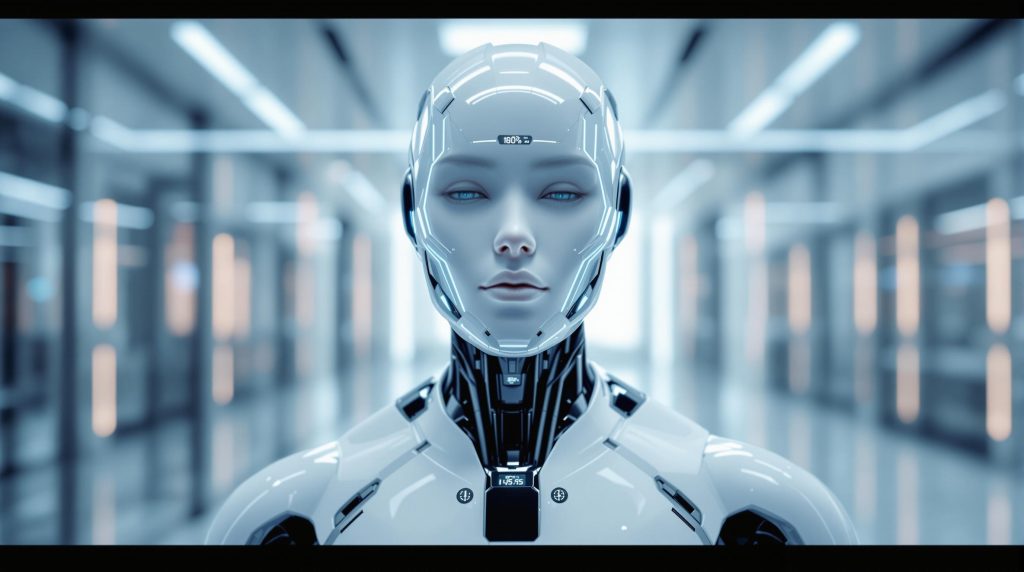
The future is here, and it’s humanoid. As technology advances at an unprecedented pace, humanoid robots are no longer confined to the realm of science fiction. They are becoming an integral part of our industries and daily lives, offering a transformative glimpse into a new era of efficiency, safety, and innovation that promises to reshape how we work, learn, and live.
The Dawn of Adaptive Intelligence
One of the most remarkable breakthroughs in humanoid robotics comes from companies like Engineered Arts and their Ameca platform. These cutting-edge robots demonstrate unprecedented flexibility and customization capabilities, allowing them to seamlessly adapt to different roles and identities through intuitive web interfaces. This revolutionary approach means businesses can now reprogram their robot workers to fit various tasks without requiring complex coding knowledge or extensive technical expertise. The implications are staggering – a single humanoid robot can serve as a receptionist in the morning, a tour guide in the afternoon, and a security monitor at night, all with simple configuration changes.
Autonomous Operations: The End of Downtime
UB Tech’s Walker S2 represents a quantum leap in robotic autonomy, pioneering features that ensure continuous operation in demanding environments. With innovations like self-sufficient battery swapping and advanced navigation systems, these robots can maintain uninterrupted operations for extended periods. This capability is particularly crucial in industrial settings where downtime translates directly to lost revenue and productivity. The Walker S2’s ability to autonomously manage its power needs while performing complex tasks marks a significant milestone in the journey toward fully autonomous robotic workforces.
Industry-Specific Innovation and Corporate Investment
The landscape of industrial robotics is being reshaped by companies like Leu Robotics, which has garnered backing from technology giants such as Tencent. This support enables the development of highly specialized robots designed for specific industrial needs, representing a fundamental shift in how we approach automation. These robots are now performing roles once thought impossible without human intuition and dexterity – from delicate assembly work to complex quality control processes. The involvement of major corporations signals a clear recognition that humanoid robots are not just experimental technology, but essential tools for future competitiveness.
Tackling Dangerous Work: Heavy-Duty Integration
Perhaps nowhere is the transformative power of humanoid robots more evident than in hazardous work environments. Hyundai’s groundbreaking deployment of humanoid robots in shipyards demonstrates how these machines can take on significant dangerous tasks that have traditionally put human workers at risk. From welding in confined spaces to handling toxic materials, these robots are proving their reliability while highlighting society’s shifting reliance toward automation in dangerous occupations. This transition not only improves workplace safety but also allows human workers to focus on higher-level supervisory and creative tasks.
Preparing the Workforce for Tomorrow
As humanoid robots become more prevalent, the need for workforce preparation has never been more critical. Educational platforms and companies like Outskill are playing a pivotal role in this transition, offering training programs that prepare today’s workforce with the skills they need to thrive in an AI-dominated economy. These initiatives emphasize the importance of continuous learning, adaptability, and human-robot collaboration skills. Rather than replacing humans entirely, the focus is on creating synergistic relationships where humans and robots complement each other’s capabilities.
The Broader Implications
The humanoid robot revolution extends far beyond individual workplace applications. These technological advances are reshaping entire economic sectors, from manufacturing and logistics to healthcare and hospitality. As robots become more sophisticated and cost-effective, we’re witnessing the emergence of new business models, service offerings, and even entirely new industries centered around human-robot interaction.
The integration of humanoid robots also raises important questions about society, employment, and the future of work. While some jobs may become automated, history suggests that technological revolutions typically create new types of employment opportunities. The key lies in ensuring that workers are equipped with the skills needed to adapt to this changing landscape.
Looking Ahead
As we stand on the brink of this robotic revolution, the question isn’t whether humanoid robots will transform our world – it’s how quickly and thoroughly this transformation will occur. The examples from Engineered Arts, UB Tech, Leu Robotics, and Hyundai represent just the beginning of what promises to be a comprehensive reimagining of how work gets done.
The future belongs to those who can successfully navigate the intersection of human creativity and robotic capability. Are you ready to embrace this transformation and discover the opportunities it presents? The robotic revolution is not coming – it’s already here, and it’s reshaping our world one innovation at a time.