
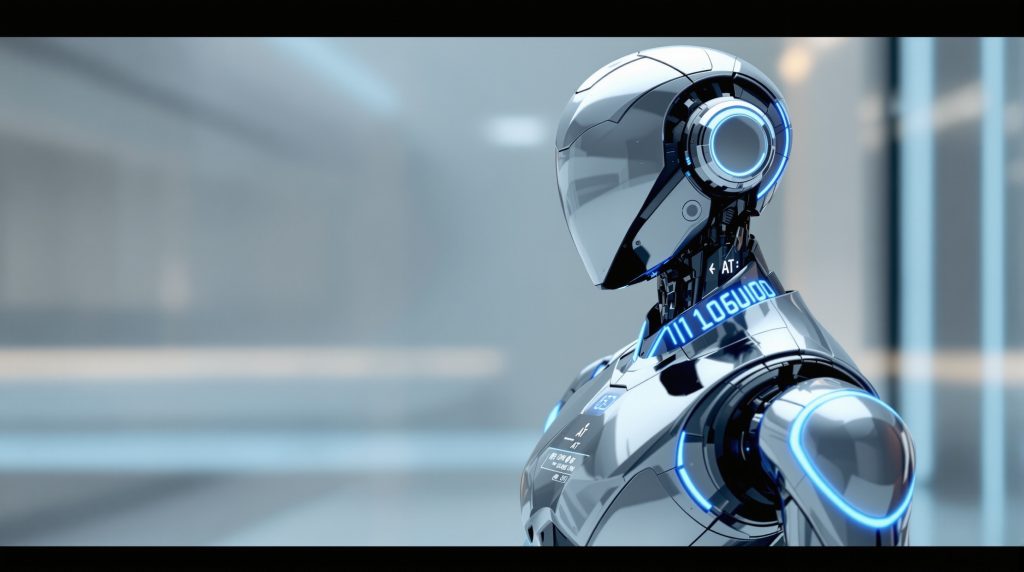
The question isn’t whether artificial intelligence and robotics will reshape our future – it’s whether we’re prepared for the unprecedented pace of transformation that’s already underway. From interactive AI assistants to autonomous surgical robots, we’re witnessing technological breakthroughs that seemed like science fiction just years ago.
The Dawn of Interactive AI Companions
Apple’s evolution of Siri from a simple voice assistant to an interactive mobile robot represents a fundamental shift in human-computer interaction. This development signals the transition from passive digital interfaces to active, physical AI companions that can navigate our spaces and respond to our needs in real-time. The implications extend far beyond convenience – we’re looking at AI that can provide physical assistance, emotional support, and personalized interaction in ways previously impossible.
Revolutionizing Global Food Security
China’s GAR robot demonstrates how artificial intelligence can address critical global challenges. With the world’s population projected to reach nearly 10 billion by 2050, traditional farming methods may prove insufficient to meet growing food demands. Hybrid pollination robots like GAR don’t just increase efficiency – they offer a sustainable solution to declining bee populations and climate-related agricultural challenges. This technology could be the difference between food scarcity and abundance in the coming decades.
Precision Medicine Enters a New Era
Johns Hopkins’ autonomous surgical robot marks a paradigm shift in medical care. While human surgeons bring experience and intuition to the operating table, robotic systems offer consistency, precision, and the ability to work without fatigue. The potential to reduce human error in life-or-death situations cannot be overstated. However, this advancement also raises important questions about the balance between technological capability and human oversight in critical medical decisions.
AI-Powered Disaster Recovery
California’s deployment of AI robots for wildfire reconstruction showcases robotics’ potential in crisis management and recovery. These systems can work continuously in hazardous conditions, accelerating rebuilding efforts while reducing costs and human risk. As climate change increases the frequency and severity of natural disasters, such technology could prove invaluable for communities worldwide seeking rapid recovery solutions.
The Future We Wear
HTC’s Vive Eagle smart glasses represent the convergence of AI and wearable technology, offering features like real-time translation and advanced digital interaction. This technology has the potential to break down language barriers, enhance accessibility for individuals with disabilities, and create new forms of augmented reality experiences that seamlessly blend digital and physical worlds.
Are We Truly Ready?
While these technological advances offer tremendous promise, readiness extends beyond mere technical capability. We must consider several critical factors:
Ethical frameworks need to evolve alongside technology. As AI systems become more autonomous and capable, we must establish clear guidelines for their use, particularly in sensitive areas like healthcare and personal assistance.
Workforce adaptation remains a significant challenge. As robots and AI systems take over various tasks, we need comprehensive retraining programs and new educational approaches to help workers transition to roles that complement rather than compete with artificial intelligence.
Infrastructure and regulation must keep pace with innovation. Our legal systems, cybersecurity measures, and digital infrastructure need substantial updates to support and govern these advanced technologies safely.
The Path Forward
The question of readiness ultimately depends on our collective response to these changes. Organizations, governments, and individuals must proactively engage with these technologies, understanding both their potential and their risks. Preparation involves not just technical adoption but cultural and societal adaptation to new ways of living and working alongside intelligent machines.
The future shaped by AI and robotics holds extraordinary promise for solving humanity’s greatest challenges – from healthcare and food security to disaster recovery and global communication. However, realizing this potential requires thoughtful implementation, ethical consideration, and a commitment to ensuring these technologies serve all of humanity.
As we stand at this technological crossroads, our readiness will be measured not by how quickly we can deploy these innovations, but by how wisely we integrate them into the fabric of society. The revolution is here – our response will determine whether it becomes humanity’s greatest advancement or its greatest challenge.