
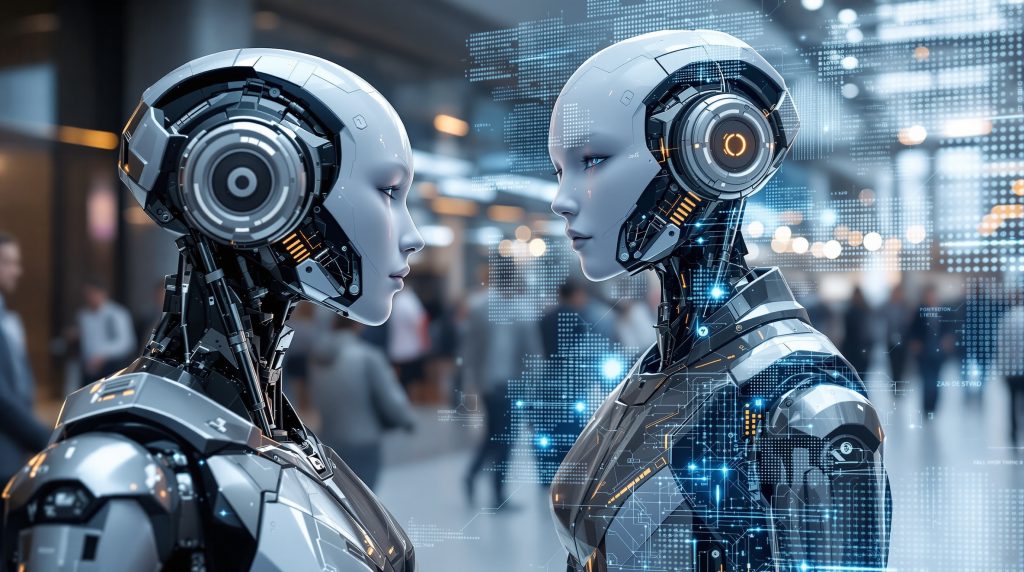
The year 2023 marks a pivotal moment in the evolution of robotics technology. As we witness unprecedented advances in artificial intelligence, autonomous systems, and mechanical engineering, we find ourselves standing at the crossroads of tremendous opportunity and significant uncertainty. The question isn’t whether robotics will transform our world—it’s whether we’re prepared for the magnitude of change that lies ahead.
The Dawn of Autonomous Military Systems
Perhaps no domain illustrates the double-edged nature of robotics advancement more clearly than the military sector. Autonomous weapons systems and robotic soldiers are no longer confined to science fiction—they’re rapidly becoming reality. These systems promise to reduce human casualties in conflict zones and perform dangerous missions that would put soldiers at risk.
However, the ethical implications are staggering. When a robot makes a life-or-death decision, who bears responsibility? How do we program moral reasoning into machines that operate in the fog of war? The development of lethal autonomous weapons systems has prompted urgent calls from ethicists, scientists, and humanitarian organizations for international treaties governing their use. Yet the technology continues to advance faster than regulatory frameworks can keep pace.
The integration of robots in policing presents similar challenges. While robotic systems can defuse bombs, patrol dangerous areas, and assist in crowd control, they also raise concerns about surveillance overreach and the potential for algorithmic bias in law enforcement decisions.
The New Global Arms Race
As robotics technology becomes increasingly sophisticated, we’re witnessing the emergence of a new kind of arms race—one fought not with nuclear weapons, but with artificial intelligence and autonomous systems. Nations worldwide are pouring billions into robotics research, with China leading particularly aggressive development programs in military robotics.
This technological competition extends beyond traditional military applications. Countries are racing to develop robotic systems for space exploration, deep-sea mining, disaster response, and critical infrastructure protection. The nation that achieves dominance in these areas may hold significant geopolitical advantages for decades to come.
The challenge lies in preventing this competition from destabilizing international relations. International cooperation and transparency in robotics development will be crucial to maintaining global security while fostering innovation.
The Dual-Use Dilemma
One of the most complex aspects of modern robotics is the prevalence of dual-use technologies—systems that can serve both civilian and military purposes. Robotic platforms like advanced quadrupeds and humanoid robots exemplify this challenge. A robot designed to assist elderly patients can potentially be modified for surveillance or combat roles.
This dual-use nature makes regulation particularly challenging. Overly restrictive policies could stifle beneficial civilian applications, while lenient approaches might enable dangerous military uses. We need nuanced regulatory frameworks that can distinguish between applications while encouraging responsible innovation.
The key lies in developing international standards and protocols that govern the development, sale, and deployment of dual-use robotic systems. These frameworks must be flexible enough to adapt to rapidly evolving technology while robust enough to prevent misuse.
Robots in Our Daily Lives
While military applications grab headlines, the most immediate impact of robotics will likely be felt in our homes, workplaces, and communities. Service robots are already vacuuming our floors, delivering our packages, and assisting in surgeries. Industrial robots are revolutionizing manufacturing, while agricultural robots are transforming food production.
Chinese companies have emerged as global leaders in commercial robotics, showcasing innovations at major tech fairs and deploying systems across various industries. From restaurants staffed by robotic servers to warehouses operated entirely by autonomous systems, the integration of robots into civilian life is accelerating rapidly.
However, this integration raises important questions about employment displacement, privacy, and social interaction. As robots become more capable and ubiquitous, we must address concerns about job losses, data security, and the psychological impact of increased human-robot interaction.
Preparing for the Robotic Future
The transformative power of robotics in 2023 demands proactive preparation across multiple fronts. Educational systems must evolve to prepare workers for a robot-integrated economy, emphasizing skills that complement rather than compete with robotic capabilities. Ethical guidelines must be developed and implemented to ensure robotic systems respect human rights and dignity.
Policymakers face the challenge of creating regulatory frameworks that promote innovation while protecting public safety and security. This requires unprecedented cooperation between technologists, ethicists, legal experts, and international organizations.
Perhaps most importantly, we need robust public dialogue about the role we want robots to play in our society. The decisions we make today about robotics development and deployment will shape the world our children inherit.
The Road Ahead
The robotics revolution of 2023 represents both humanity’s greatest technological achievement and its most significant challenge. We possess the capability to create machines that can enhance human life, protect us from danger, and solve complex global problems. Simultaneously, we face the risk of creating systems that could threaten our security, autonomy, and humanity itself.
The question “Are we ready for the future?” doesn’t have a simple answer. Readiness isn’t a destination—it’s an ongoing process of adaptation, regulation, and ethical reflection. As we stand on the threshold of this robotic age, our preparedness will be measured not by our technology’s sophistication, but by our wisdom in wielding it.
The future of robotics is not predetermined. It will be shaped by the choices we make today about development priorities, regulatory frameworks, and ethical boundaries. By engaging in thoughtful dialogue, promoting responsible innovation, and maintaining focus on human welfare, we can harness the transformative power of robotics to build a better world for all.