
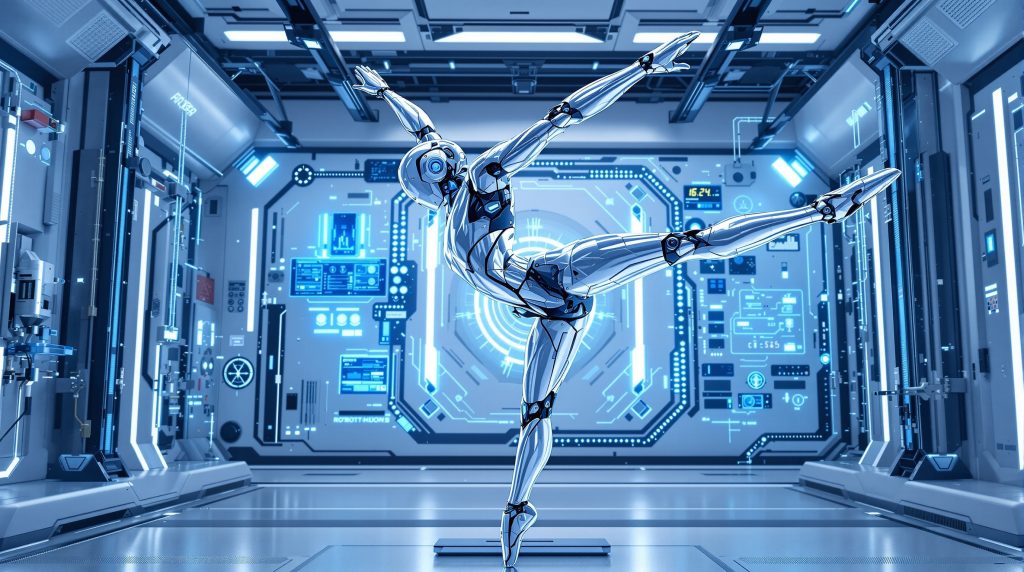
The future is knocking at our door, and it’s wearing a robotic form. Humanoid robots, once confined to the realm of science fiction movies and futuristic fantasies, are rapidly transitioning from laboratory prototypes to practical applications that could revolutionize our daily lives. The question isn’t whether these mechanical marvels will integrate into society—it’s how quickly and extensively they’ll transform the world around us.
The Evolution of Robotic Dexterity
One of the most significant breakthroughs in humanoid robotics comes from Boston Dynamics’ Atlas robot, which has achieved unprecedented levels of manual dexterity. The integration of grippers with opposable thumbs represents a quantum leap in robotic capability. This advancement enables Atlas to perform intricate tasks that were previously impossible for machines, such as threading a needle—a feat that requires not just precision, but the kind of fine motor control that has long been considered uniquely human.
This development has profound implications across multiple industries. From manufacturing and assembly lines to medical procedures and artistic endeavors, robots with enhanced dexterity could handle delicate operations with consistency and accuracy that surpasses human capabilities. Imagine surgical assistants that never experience fatigue, or quality control inspectors with microscopic precision working around the clock.
Seamless Integration Into Daily Life
Figure AI’s Figure03 represents another crucial milestone in the journey toward ubiquitous robotic assistance. This humanoid robot is specifically designed to blend seamlessly into our most intimate spaces—our homes and offices. With enhanced sensory fields that allow for sophisticated environmental awareness and intuitive object handling capabilities, Figure03 promises to become the helpful companion we’ve long imagined.
The implications for everyday life are staggering. These robots could serve as personal assistants, handling household chores, organizing spaces, and even providing companionship for elderly individuals or those with mobility limitations. In office environments, they could manage routine tasks, facilitate meetings, and maintain workspaces, allowing human employees to focus on creative and strategic endeavors.
Safety and Adaptability: The Foundation of Trust
Perhaps most importantly, both Boston Dynamics and Figure AI are prioritizing safety and adaptability in their designs. These companies understand that for humanoid robots to gain widespread acceptance, they must be able to navigate unexpected situations while maintaining user-friendly interactions. This means developing robust systems that can handle environmental changes, respond appropriately to human emotions and intentions, and fail gracefully when encountering unforeseen challenges.
The focus on safety extends beyond mere collision avoidance. These robots are being designed with sophisticated social intelligence, enabling them to read human body language, understand contextual cues, and respond with appropriate behaviors. This emotional intelligence will be crucial for robots working in close proximity to humans, whether in healthcare settings, educational environments, or domestic situations.
Transforming Industries and Society
The impact of advanced humanoid robots will ripple through virtually every sector of society. In healthcare, they could provide consistent patient care, assist with rehabilitation therapies, and support medical professionals during complex procedures. The education sector could benefit from robotic tutors capable of providing personalized instruction and infinite patience with struggling students.
Manufacturing and logistics industries are already preparing for widespread robotic integration. These humanoid robots could work alongside human employees in warehouses, handling inventory management and order fulfillment with unprecedented efficiency. Construction sites could see robots performing dangerous tasks, reducing workplace injuries and improving project timelines.
Addressing the Challenges Ahead
Despite the exciting possibilities, the rise of humanoid robots also presents significant challenges that society must address. Job displacement concerns are legitimate, as these versatile machines could potentially replace human workers in numerous fields. However, history suggests that technological advances often create new types of employment opportunities, even as they eliminate others.
Privacy and security considerations also loom large. Robots equipped with advanced sensors and AI capabilities will inevitably collect vast amounts of data about their environments and the humans they interact with. Establishing robust data protection protocols and ethical guidelines for robotic behavior will be essential for maintaining public trust and ensuring beneficial outcomes.
The Road Ahead
As we stand on the brink of the robotic revolution, it’s clear that humanoid robots are no longer a distant dream but an imminent reality. The advancements in dexterity, everyday integration, and safety protocols represent just the beginning of what promises to be a transformative period in human history.
The key to successfully navigating this transition lies in thoughtful preparation and inclusive dialogue about how we want these technologies to shape our future. By addressing challenges proactively and ensuring that the benefits of robotic advancement are distributed equitably, we can work toward a future where humans and robots collaborate to create a more efficient, safe, and prosperous world for everyone.
The age of humanoid robots is upon us. The question now is not whether we’re ready for them, but whether we’re prepared to embrace the profound changes they’ll bring to every aspect of human life.