
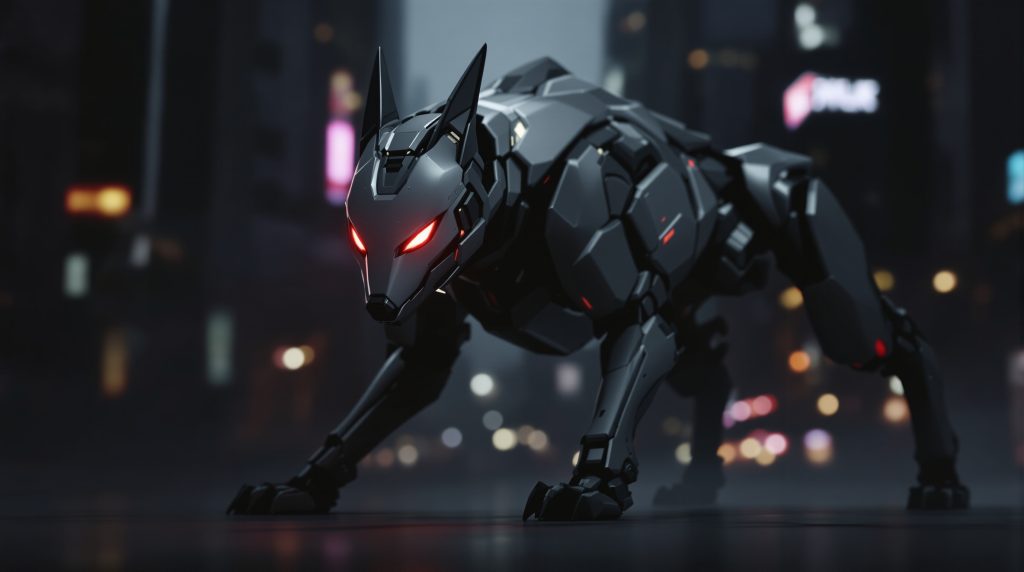
The world of robotics is experiencing an unprecedented transformation, evolving from simple automated machines to sophisticated companions capable of complex interactions and tasks. As we stand on the brink of a new technological era, the question isn’t whether robots will become part of our daily lives, but rather how seamlessly we can integrate these automated companions into our society.
Beyond Entertainment: Martial Arts as Practical Innovation
The recent showcase of the G1 robot mastering martial arts represents far more than an impressive technological demonstration. While the fluid kicks and precise movements might appear designed for spectacle, they actually demonstrate breakthrough capabilities in mobility and control systems. These same precise movements that execute martial arts techniques translate directly to practical applications—from navigating challenging terrains to performing delicate industrial tasks.
The martial arts mastery indicates that robots are developing the kind of dynamic balance and spatial awareness that will be essential for real-world applications. Whether it’s a robot navigating debris after a natural disaster or maintaining stability while carrying heavy loads in a warehouse, these movement capabilities represent a fundamental leap forward in robotic utility.
Social Integration: The Rise of Conversational Robotics
Perhaps even more intriguing is the social evolution of robotics, exemplified by the G1’s transformation into “Jake the Rizbot” during public interactions in Austin. This isn’t just about programming a robot to speak—it’s about developing contextual social intelligence. By incorporating contemporary slang and adapting communication styles to different audiences, these robots demonstrate an understanding of human social dynamics that goes beyond simple programmed responses.
This adaptability suggests a future where robots won’t just coexist with humans but will actively participate in social environments. From customer service roles to educational settings, robots that can read social cues and adjust their communication accordingly will become invaluable partners in various sectors.
Testing Resilience: Innovation Through Competition
The emergence of robotic fight clubs like those at the Silicon Coliseum serves a purpose far beyond entertainment. These controlled combat scenarios create high-pressure testing environments where robots must demonstrate agility, quick decision-making, and resilience under unpredictable conditions. Such testing reveals crucial insights about robotic durability and adaptive responses that laboratory conditions simply cannot replicate.
These competitive environments push the boundaries of robotic engineering, forcing developers to create machines that can handle unexpected situations, recover from setbacks, and continue functioning under stress—qualities that will be essential as robots take on more complex real-world responsibilities.
Industrial Revolution 2.0: The Humanoid Workforce
The industrial sector is witnessing what can only be described as Industrial Revolution 2.0, with Aggiebot’s partnership in China serving as a prime example. The planned integration of thousands of humanoid robots into manufacturing processes represents a fundamental shift in how we approach industrial production.
Unlike previous automation waves that replaced human workers with specialized machines, this new generation of robots is designed to work alongside human colleagues. These humanoid robots can adapt to existing workplace layouts, use the same tools as human workers, and even learn from human demonstrations. This collaboration model suggests a future where human creativity and problem-solving skills combine with robotic precision and endurance.
The Final Frontier: Robotics in Space Exploration
Perhaps nowhere is the potential of robotics more evident than in space exploration. India’s Viomitra robot, preparing for space missions, represents humanity’s next leap in cosmic exploration. Space environments present unique challenges—extreme temperatures, radiation, and the impossibility of immediate human intervention—making robots not just useful but essential.
These space-bound robots can perform tasks too dangerous for human astronauts, conduct long-term research in hostile environments, and serve as advance scouts for future human missions. The development of space-capable robots also drives innovations that benefit terrestrial applications, from improved materials to enhanced autonomous decision-making systems.
Preparing for the Robotic Future
As we witness these remarkable advances, it’s crucial to consider both the opportunities and challenges ahead. The integration of robots into society will require careful consideration of ethical implications, job displacement concerns, and the need for new regulatory frameworks.
Education systems will need to evolve to prepare workers for a robot-integrated economy, while policymakers must balance innovation with social responsibility. The question isn’t whether we’re ready for robots—it’s whether we’re prepared to thoughtfully guide their integration into our world.
The future of robotics extends far beyond the mechanical companions of science fiction. Today’s robots are becoming partners, collaborators, and explorers, pushing the boundaries of what’s possible while opening new frontiers for human achievement. As we stand at this technological crossroads, the choices we make today will determine whether robots become tools that enhance human potential or replacements that diminish it. The future is not just about more advanced machines—it’s about creating a world where humans and robots work together to achieve what neither could accomplish alone.