
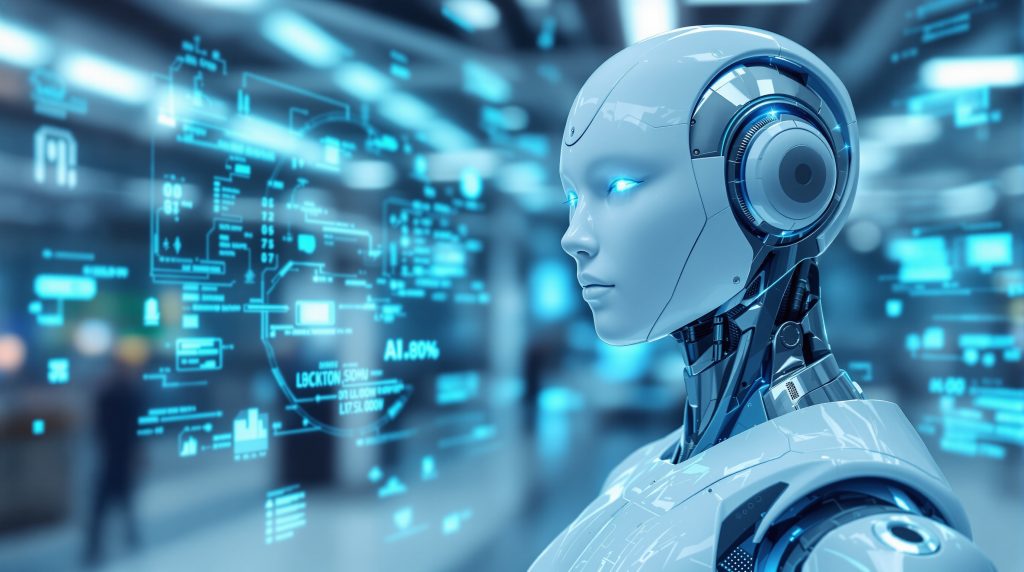
The robotics revolution isn’t a distant dream—it’s unfolding right before our eyes. From sophisticated humanoid machines that mimic human movement to AI-powered educators breaking down language barriers, we’re witnessing a transformation that will reshape every aspect of our lives. But as we stand at the threshold of this technological leap, one critical question emerges: are we truly prepared for what’s coming?
The Spectacular Rise of Humanoid Robots
The era of clunky, industrial robotic arms is rapidly giving way to machines that move with startling human-like grace. Unitry’s H2 Destiny Awakening exemplifies this evolution, featuring an impressive 31 joints that enable fluid, natural movement patterns previously thought impossible for machines. This isn’t just engineering—it’s artistry in motion.
These humanoid robots represent more than technological showpieces. They’re pioneering a future where machines can navigate our human-designed world with unprecedented ease. From assisting elderly individuals in their homes to performing complex manufacturing tasks, the applications seem boundless. However, this advancement also raises profound questions about human identity and our unique place in the world.
Breaking Educational Barriers with AI
Perhaps nowhere is the positive potential of robotics more evident than in education. South Africa’s groundbreaking initiative with “Iris,” the multilingual teaching robot, demonstrates how technology can democratize learning on an unprecedented scale. Capable of instruction in all of South Africa’s official languages, Iris represents a solution to one of education’s most persistent challenges: accessibility.
This innovation could revolutionize learning in multilingual societies worldwide. Imagine students in remote areas gaining access to high-quality education in their native languages, or language learners practicing with infinitely patient AI tutors available 24/7. The implications extend far beyond traditional classrooms, potentially bridging educational gaps that have persisted for generations.
Robot Dogs: From Science Fiction to Security Force
The industrial sector is experiencing its own robotic transformation, with robot dogs taking center stage at technology exhibitions worldwide. These four-legged machines aren’t just conversation starters—they’re proving their worth in critical security and inspection roles that were previously dangerous or impossible for humans.
From patrolling hazardous industrial sites to conducting detailed infrastructure inspections in hard-to-reach locations, these robotic companions are demonstrating the practical utility of advanced robotics in real-world scenarios. Their ability to navigate complex terrain while collecting and transmitting crucial data represents a significant leap forward in industrial safety and efficiency.
The Double-Edged Sword of Progress
While these developments are undeniably impressive, they also present challenges that society must address. The integration of humanoid robots into daily life raises questions about employment displacement, privacy, and social interaction. Will human teachers become obsolete? How will we maintain authentic human connections in an increasingly automated world?
Moreover, the rapid pace of development often outstrips our ability to establish proper regulatory frameworks and ethical guidelines. We’re essentially experimenting with the future of human society in real-time, with limited understanding of long-term consequences.
Preparing for Tomorrow, Today
The question isn’t whether we should embrace robotics—that decision has already been made by market forces and technological momentum. Instead, we must focus on how to integrate these technologies responsibly. This requires proactive education, thoughtful regulation, and ongoing dialogue between technologists, policymakers, and society at large.
We need to invest in retraining programs for displaced workers, develop ethical frameworks for AI decision-making, and ensure that the benefits of robotics reach all segments of society, not just the privileged few. The future of robotics is not predetermined—it’s a choice we must make collectively.
The robots are indeed here, and they’re more capable than ever before. Whether this revolution becomes a force for human flourishing or creates new forms of inequality depends entirely on the decisions we make today. The future is not something that happens to us—it’s something we actively create. The question remains: what kind of future will we choose to build?