
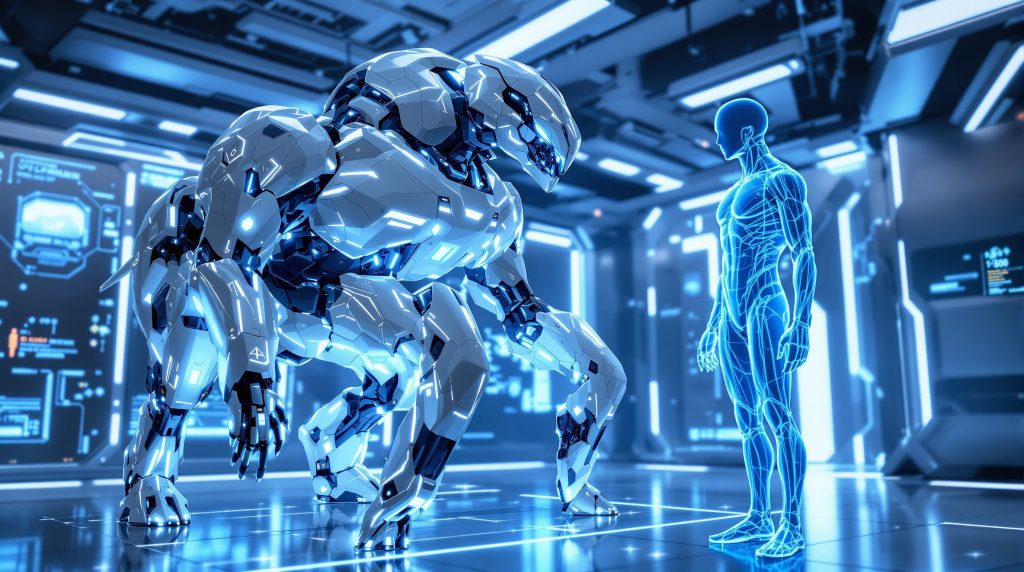
The convergence of robotics and artificial intelligence is rapidly approaching a tipping point that promises to reshape virtually every aspect of human existence. From enhancing our physical capabilities to revolutionizing healthcare and domestic life, these technologies are moving beyond the realm of science fiction into practical applications that could fundamentally alter how we work, live, and interact with the world around us.
Enhancing Human Potential Through Wearable Robotics
The development of human augmentation technologies represents one of the most exciting frontiers in robotics. China’s innovative centaur-style wearable robot exemplifies this breakthrough, offering users enhanced strength and endurance while significantly reducing physical strain. This technology holds particular promise for high-stakes environments such as military operations, disaster response scenarios, and industrial applications where human workers face extreme physical demands.
These wearable systems don’t replace human workers but rather amplify their existing capabilities, creating a symbiotic relationship between human intelligence and robotic strength. The implications extend far beyond specialized fields – construction workers could lift heavier materials with ease, elderly individuals could maintain their independence longer, and healthcare workers could provide patient care without risking injury from repetitive motions.
Revolutionary Movement Capabilities in Humanoid Robots
The Omni Extreme motion framework is pushing the boundaries of what we consider possible in robotic movement. By enabling humanoid robots to perform complex physical activities like breakdancing and martial arts, this technology demonstrates a level of agility and coordination that was previously thought impossible for artificial systems.
This advancement in dynamic movement capabilities has profound implications for practical applications. Robots with such sophisticated motor skills could navigate challenging terrains during search and rescue missions, perform delicate maintenance tasks in hazardous environments, or even serve as companions capable of engaging in physical activities alongside humans. The technology represents a significant leap toward robots that can truly integrate into human environments and activities.
Transforming Healthcare Through AI-Enhanced Precision
Perhaps nowhere is the impact of AI and robotics more immediately life-changing than in healthcare applications. AI-enhanced dexterous gloves are revolutionizing surgical procedures by providing surgeons with real-time assistance and unprecedented precision. These systems can detect minute tremors, compensate for human limitations, and provide haptic feedback that enhances the surgeon’s natural abilities.
The potential for reducing medical errors and improving patient outcomes is enormous. As these technologies mature, we may see their application expand beyond surgery to include rehabilitation therapy, where AI could provide personalized assistance to patients recovering from injuries or managing chronic conditions. The integration of AI into medical tools represents a fundamental shift toward more precise, predictable, and personalized healthcare.
Autonomous Solutions for Everyday Tasks
The vision of fully autonomous domestic assistance is becoming increasingly realistic, as demonstrated by Figure AI’s advanced robots. These systems showcase the ability to handle complex household tasks, from organizing cluttered spaces to performing thorough cleaning routines, all without human intervention or supervision.
This technology could fundamentally change how we approach household management, particularly benefiting busy professionals, elderly individuals, and families with mobility challenges. As these robots become more sophisticated and affordable, they could free up significant time for humans to focus on more creative, social, or personally fulfilling activities while ensuring living spaces remain clean and organized.
Reshaping Digital Communication and Social Interaction
The emergence of AI-centric social networks, exemplified by developments like Meta’s acquisition of platforms focused on AI integration, signals a dramatic shift in how we conceptualize digital communication. These platforms are exploring how AI entities can participate meaningfully in social interactions, potentially creating entirely new forms of digital discourse and relationship.
While this raises important questions about the nature of authentic communication and the role of AI in our social lives, it also opens up possibilities for more personalized, accessible, and engaging digital experiences. AI participants could serve as mediators in discussions, provide expert insights on demand, or help individuals with social anxiety participate more comfortably in online communities.
Looking Toward an Integrated Future
The convergence of these technologies suggests we’re approaching an era where human-AI collaboration becomes the norm rather than the exception. Rather than replacing human capabilities, these innovations appear focused on enhancing and extending what humans can accomplish, creating symbiotic relationships that leverage the best of both biological and artificial intelligence.
As these technologies continue to evolve and integrate into our daily lives, they promise to address some of humanity’s most pressing challenges – from aging populations and healthcare accessibility to environmental cleanup and space exploration. The key to realizing their full potential will lie in thoughtful implementation that prioritizes human welfare, ethical considerations, and equitable access to these transformative capabilities.
The future of robotics and AI is not just about technological advancement; it’s about reimagining human potential and creating tools that allow us to live more fulfilling, capable, and connected lives. As these innovations continue to develop, they invite us to consider not just what technology can do, but how it can help us become better versions of ourselves.