
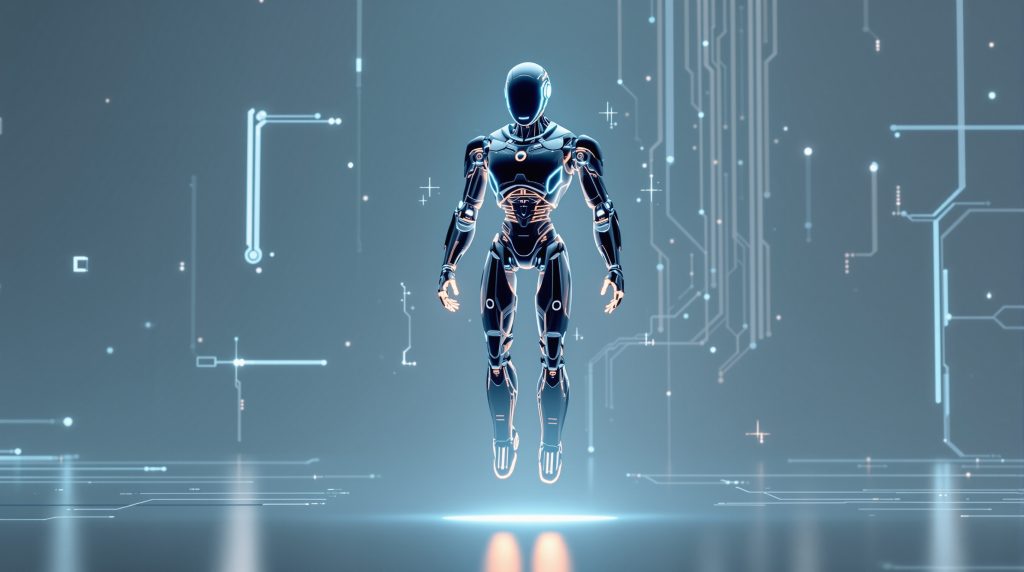
The question of whether humanoid robots can truly mimic human interaction has captivated researchers, technologists, and the public alike. As we stand at the precipice of a technological revolution, recent breakthroughs in robotics and artificial intelligence are bringing us closer to answering this fundamental question. While we may not yet have achieved perfect human-like interaction, the rapid pace of innovation suggests we’re approaching a fascinating threshold.
The Current State of Humanoid Robotics
Today’s humanoid robots represent a remarkable convergence of mechanical engineering, artificial intelligence, and human psychology. Unlike the rigid, programmed automatons of science fiction, modern robots are becoming increasingly sophisticated in their ability to navigate complex environments and respond to unexpected situations. The key lies not just in mimicking human appearance, but in replicating the nuanced ways humans perceive, process, and respond to their surroundings.
Breaking Down the Barriers: Four Revolutionary Developments
Physical Resilience: The Foundation of Reliable Interaction
Unitry’s G1 humanoid robot represents a crucial milestone in robotic development. Its exceptional balance and recovery capabilities address one of the most fundamental challenges in human-robot interaction: reliability under unpredictable conditions. When humans interact, we instinctively adjust to physical disruptions – a gentle push, an uneven surface, or an unexpected obstacle. The G1’s ability to maintain stability and recover from physical shocks brings robots significantly closer to matching this human adaptability, particularly in industrial settings where consistent performance is essential.
Emotional Expression: The Gateway to Authentic Connection
Perhaps no advancement is more striking than Headform’s development of highly expressive robotic heads. Human communication is estimated to be 55% body language, 38% tone of voice, and only 7% actual words. By creating robots capable of genuine emotional expression, we’re addressing the largest component of human communication. These developments suggest that robots may soon be able to engage in the subtle dance of facial expressions, micro-expressions, and emotional cues that make human interaction feel natural and meaningful.
Cognitive Flexibility: The Brain Behind the Interaction
Skilled AI’s demonstration of adaptable “robot brains” that function despite significant physical alterations represents a breakthrough in cognitive flexibility. True human-like interaction requires more than scripted responses – it demands the ability to adapt, learn, and continue functioning when circumstances change dramatically. This technology hints at AI systems that could seamlessly transfer between different robotic platforms while maintaining their interaction capabilities, much like how human consciousness remains consistent despite physical changes throughout our lives.
Open-Source Innovation: Democratizing Development
Forier’s N1 open-source platform represents a paradigm shift in how we approach humanoid robot development. By making advanced robotics accessible to a broader community of developers, we’re accelerating innovation through collective creativity. This approach mirrors how human social interaction evolved – through countless individual contributions and adaptations over time. The open-source model ensures that humanoid robot development benefits from diverse perspectives and use cases.
The Challenges That Remain
Despite these impressive advances, significant hurdles remain before robots can truly mimic human interaction. The uncanny valley phenomenon – where near-human robots trigger discomfort rather than connection – continues to challenge designers. Additionally, the spontaneity, creativity, and genuine empathy that characterize human interaction remain elusive goals for artificial systems.
Context understanding presents another major challenge. Humans excel at reading between the lines, understanding cultural nuances, and adapting their communication style based on countless subtle environmental and social cues. While AI has made remarkable progress in natural language processing, the holistic understanding of context that enables meaningful human interaction remains a frontier yet to be fully conquered.
Looking Toward the Future
The convergence of these technologies suggests we’re entering an era where humanoid robots may not perfectly replicate human interaction, but could offer something uniquely valuable: consistent, patient, and endlessly adaptable companions capable of meaningful engagement. Rather than replacing human interaction, these robots may complement it, serving in roles where their specific capabilities – unwavering patience, consistent availability, and specialized knowledge – provide distinct advantages.
The question may not be whether robots can truly mimic human interaction, but whether they can develop their own authentic form of interaction that humans find meaningful and valuable. As these technologies mature, we may discover that the most successful humanoid robots are those that embrace their robotic nature while incorporating the best elements of human social behavior.
The journey toward truly interactive humanoid robots is far from over, but these recent developments suggest we’re moving beyond the realm of science fiction into a future where human-robot interaction becomes an integral part of our daily lives. The implications for healthcare, education, customer service, and companionship are profound, promising to reshape how we think about both technology and human connection itself.