
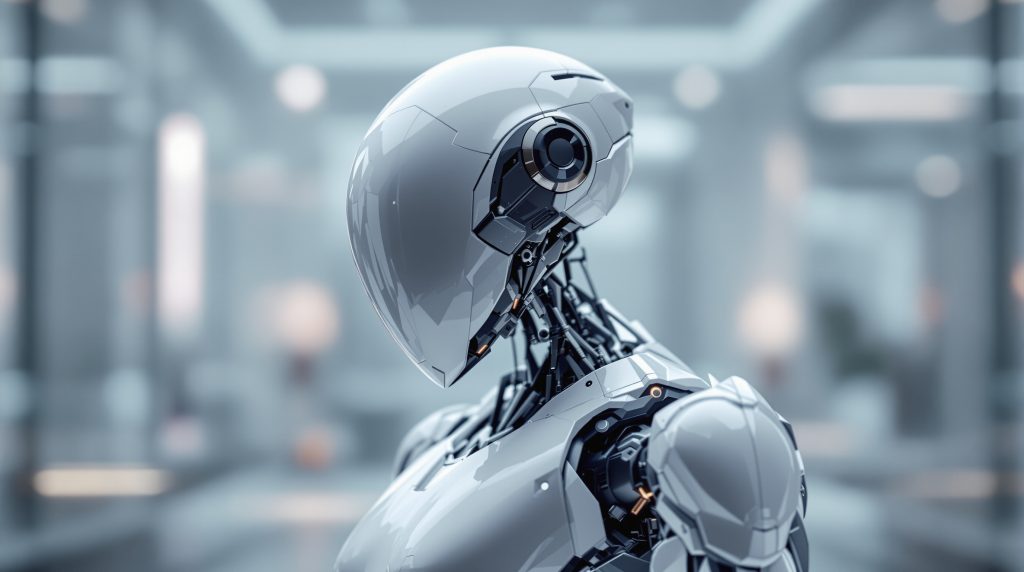
The world of robotics is evolving at an unprecedented pace, and we may indeed be standing on the precipice of a robotic revolution that will fundamentally transform how we live, work, and interact with technology. Recent breakthroughs across multiple domains suggest that the science fiction scenarios we once imagined are rapidly becoming reality.
Shape-Shifting Technology: The Ultimate Adaptability
UC Berkeley’s groundbreaking metatrust robots represent a paradigm shift in robotic design philosophy. These remarkable machines utilize AI-driven shape transformations to adapt their physical form based on the task at hand. Unlike traditional robots designed for specific functions, these shape-shifting marvels can morphe from a precision tool for delicate operations to a robust transport mechanism within moments. This adaptability could revolutionize industries from manufacturing to space exploration, where versatility and resource efficiency are paramount.
Soft Robotics: Nature-Inspired Innovation
China’s contribution to the responsive soft robotics field demonstrates how biomimicry continues to inspire technological advancement. These soft robots excel in dynamic environments by responding intelligently to external stimuli such as heat, humidity, and magnetic fields. The implications for disaster response scenarios are particularly compelling – imagine rescue robots that can squeeze through debris, adapt to extreme temperatures, and navigate hazardous environments that would be impossible for rigid mechanical systems. In healthcare, such adaptability could enable minimally invasive procedures and personalized medical interventions.
Digital Performers: Challenging Creative Boundaries
The emergence of Tilly Norwood, a synthetic actress making her mark in Hollywood, raises fascinating questions about the future of creative expression. This digital performer’s debut challenges our understanding of artistry, authenticity, and human creativity. While some view this as an exciting expansion of storytelling possibilities, others worry about the implications for human performers and the essence of artistic expression. The technology behind digital actors could reshape not only entertainment but also education, training simulations, and cultural preservation efforts.
Humanoid Robots: Bridging Digital and Physical Worlds
South Korea’s advancement in humanoid robots with physical AI represents a significant leap toward seamless human-robot collaboration. These sophisticated machines can adapt to real-world scenarios with unprecedented flexibility, making them valuable partners in healthcare settings, industrial environments, and domestic spaces. The integration of physical AI allows these robots to learn from their interactions and improve their performance continuously, potentially leading to more intuitive and helpful robotic companions.
Democratizing Technology: AI-Powered Web Development
While perhaps less visually striking than physical robots, AI-powered web development tools like Ready are quietly revolutionizing how we create digital experiences. By simplifying complex web development processes, these tools democratize access to professional-grade web presence, enabling individuals and small businesses to compete with larger organizations. This trend toward accessible, AI-driven creative tools extends far beyond web development, potentially transforming graphic design, content creation, and digital marketing.
The Convergence of Innovation
What makes this moment particularly significant is not any single breakthrough, but rather the convergence of multiple technological advances. Artificial intelligence, materials science, sensor technology, and computational power are advancing simultaneously, creating unprecedented opportunities for innovation. This convergence suggests that we’re not just witnessing isolated improvements, but rather a fundamental shift in what’s possible with robotic and AI systems.
Challenges and Considerations
However, this rapid advancement brings important challenges that society must address. Ethical considerations around job displacement, privacy, and the role of AI in creative fields require careful thought and proactive policy-making. The integration of advanced robotics into daily life will require robust safety standards, clear regulatory frameworks, and ongoing dialogue between technologists, policymakers, and the public.
Looking Forward: The Most Transformative Innovation
Among these remarkable developments, shape-shifting robotics may have the most profound long-term impact. The ability to create machines that can fundamentally alter their form and function represents a new category of technology that could revolutionize manufacturing, exploration, and problem-solving across countless domains. However, the true revolution may not come from any single innovation, but from the synergistic effects of combining these advances.
As we stand on the brink of this robotic revolution, one thing is certain: the next decade will bring changes that will reshape our relationship with technology in ways we’re only beginning to imagine. The question isn’t whether we’re approaching a robotic revolution, but rather how quickly we can adapt to embrace its tremendous potential while thoughtfully addressing its challenges.