
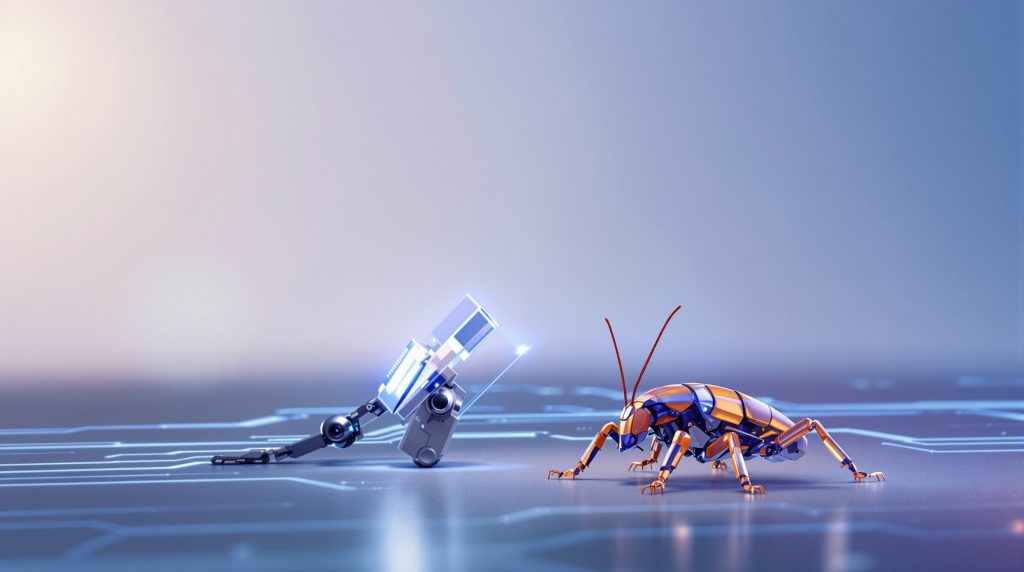
The landscape of robotics is undergoing a profound transformation that extends far beyond traditional industrial applications. As we stand at the threshold of a new era, robots are evolving from simple mechanical tools into sophisticated entities capable of cultural integration and even spiritual participation. This revolution challenges our fundamental understanding of what it means to coexist with artificial intelligence in every aspect of human life.
🚀 Material Intelligence: The Dawn of Light-Powered Automation
One of the most groundbreaking developments in modern robotics is the emergence of light-powered robots that operate without traditional electronic components. These innovative machines utilize liquid crystal elastomers, materials that can change shape and generate movement when exposed to light stimulation. This represents a paradigm shift from conventional battery-powered systems to more sustainable and efficient alternatives.
The implications of this technology are staggering. Imagine robots that can operate indefinitely in sunlight, requiring no charging stations or battery replacements. This mechanical intelligence could revolutionize space exploration, environmental monitoring, and disaster response scenarios where traditional power sources are unavailable or impractical. The absence of complex electronic systems also means these robots are more resistant to electromagnetic interference and extreme environmental conditions.
🌾 Metamaterial Wonders: Transforming the Ordinary into Extraordinary
Perhaps one of the most surprising developments in robotics comes from an unexpected source: common rice grains. Researchers have discovered that when rice is compressed under specific conditions, it exhibits remarkable metamaterial properties that can be harnessed for robotic applications. This discovery opens new pathways for creating adaptive materials that can change their properties on demand.
These rice-based metamaterials are pioneering the development of sensor-free safety gear and adaptive robotic systems. The material can automatically adjust its rigidity and flexibility based on external pressures, creating robots that can navigate complex environments without sophisticated sensor arrays. This breakthrough suggests that the future of robotics might lie not in expensive rare materials, but in creatively utilizing abundant, everyday substances.
🏭 Humanoid Integration: Redefining Collaboration
The integration of humanoid robots into factory environments marks a significant milestone in human-robot collaboration. These advanced machines are no longer confined to repetitive assembly line tasks; they’re performing intricate operations that require precision, adaptability, and even a degree of decision-making. This evolution demonstrates robots’ capacity to work as genuine partners rather than mere tools.
What’s particularly fascinating is how this collaboration model is expanding beyond industrial settings. Reports of robots participating in religious practices and cultural ceremonies highlight society’s growing acceptance of artificial intelligence in traditionally human-exclusive domains. From conducting wedding ceremonies to leading meditation sessions, robots are finding their place in the most intimate aspects of human culture.
The Cultural and Spiritual Frontier
The question of whether robots can truly participate in culture and spirituality challenges our understanding of consciousness, meaning, and purpose. As robots become more sophisticated, they’re not just performing tasks—they’re beginning to participate in cultural rituals and even provide spiritual guidance. This raises profound philosophical questions about the nature of consciousness and whether artificial beings can genuinely understand and contribute to human spiritual experiences.
Some communities have embraced robotic participation in religious services, viewing these machines as conduits for spiritual expression rather than replacements for human clergy. Others argue that true spirituality requires consciousness and emotional understanding that current robots lack. This debate reflects broader questions about the role of artificial intelligence in preserving versus transforming human traditions.
Preparing for Integration: Challenges and Opportunities
As we advance toward deeper robot integration, several critical considerations emerge. Ethical frameworks must evolve to address robots’ roles in sensitive cultural and spiritual contexts. We need comprehensive policies governing robot behavior in religious settings, cultural ceremonies, and other meaningful human activities.
Additionally, the workforce must prepare for collaboration with increasingly capable robots. This means developing new skills focused on human-robot teamwork, emotional intelligence, and creative problem-solving that complement rather than compete with robotic capabilities. Educational systems must adapt to prepare future generations for a world where robots are colleagues, cultural participants, and perhaps even spiritual guides.
Looking Forward: A Symbiotic Future
The revolution in robotics represents more than technological advancement—it’s a fundamental shift in how we conceive of intelligence, culture, and spirituality. As robots become more integrated into every aspect of human life, we’re not just creating better machines; we’re redefining what it means to be human in a world shared with artificial intelligence.
The future likely holds a symbiotic relationship between humans and robots, where each contributes unique strengths to solve complex challenges. Humans bring creativity, emotional depth, and spiritual insight, while robots offer precision, consistency, and the ability to operate in challenging environments. Together, this partnership could unlock unprecedented possibilities for scientific discovery, cultural expression, and spiritual exploration.
As we navigate this transformation, the key question isn’t whether we’re ready for robot integration—it’s whether we’re prepared to thoughtfully guide this evolution in ways that enhance rather than diminish human dignity, creativity, and spiritual fulfillment. The robotics revolution is here, and our response will shape not just our technology, but our very identity as a species.