
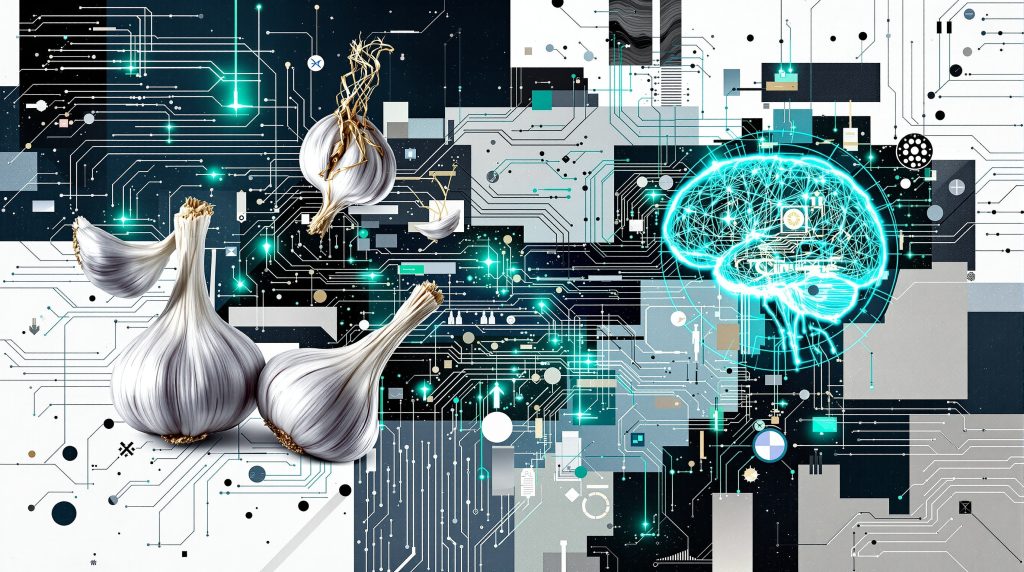
The artificial intelligence landscape is transforming at an unprecedented pace, with groundbreaking innovations emerging that promise to reshape how we work, communicate, and interact with technology. As we stand at the crossroads of this digital revolution, one question becomes increasingly critical: Is AI evolution truly the key to future success?
The Current State of AI Innovation
The rapid advancement of artificial intelligence has moved beyond theoretical concepts into practical applications that are already changing industries worldwide. From healthcare diagnostics to financial modeling, AI systems are becoming indispensable tools for organizations seeking to maintain their competitive edge. The question isn’t whether AI will impact your industry—it’s whether you’re prepared to leverage these innovations effectively.
Five Revolutionary AI Breakthroughs Shaping Tomorrow
Let’s examine five cutting-edge developments that exemplify the transformative power of AI evolution:
1. OpenAI’s Garlic Model: Efficiency Redefined
This next-generation architecture represents a significant leap forward in AI performance optimization. By delivering superior results compared to existing top-tier models while simultaneously reducing operational costs, OpenAI’s Garlic Model demonstrates that efficiency and performance can coexist. This breakthrough suggests a future where advanced AI capabilities become more accessible to organizations of all sizes.
2. Apple’s Clara AI: Document Intelligence Revolution
The challenge of navigating vast document repositories has plagued organizations for decades. Clara AI addresses this pain point through innovative memory token technology, enabling lightning-fast searches through massive datasets without the clutter and confusion of traditional search methods. This advancement could revolutionize how knowledge workers access and utilize information.
3. Microsoft’s Viveoice: Real-Time Communication Breakthrough
With response times clocking in at just 300 milliseconds, Viveoice represents a quantum leap in human-AI interaction. This near-instantaneous communication capability opens doors to applications previously considered impossible, from real-time translation services to responsive virtual assistants that feel genuinely conversational.
4. Live Avatar Technology: Digital Presence Evolution
The development of stable, sophisticated facial animation technology that can maintain quality for extended periods marks a milestone in digital representation. This advancement has profound implications for remote work, digital marketing, and virtual collaboration, offering realistic digital avatars that can engage audiences for hours without degradation.
5. JIPU’s GLM 4.6V: Multimodal AI Integration
Perhaps most significantly, this open-source breakthrough combines visual and textual processing into a seamless, comprehensive platform. By democratizing access to multimodal AI capabilities, GLM 4.6V could accelerate innovation across countless applications and industries.
The Strategic Imperative for AI Adoption
These innovations collectively point to a future where AI capabilities become deeply integrated into every aspect of business operations. Organizations that fail to adapt risk being left behind as competitors leverage these tools to achieve greater efficiency, enhanced customer experiences, and innovative solutions to complex challenges.
The key to success lies not just in adopting AI technologies, but in strategic implementation that aligns with organizational goals and capabilities. This requires a comprehensive understanding of available tools, careful planning for integration, and ongoing investment in team development and infrastructure.
Preparing for an AI-Driven Future
Success in the AI era demands more than passive observation of technological trends. It requires active engagement with emerging technologies, experimentation with new tools, and a commitment to continuous learning. Organizations must foster a culture of innovation while building the technical infrastructure necessary to support advanced AI applications.
The question isn’t whether AI evolution will drive future success—it’s whether your organization will be among those leading the charge or struggling to catch up. The innovations we’re seeing today are just the beginning of a transformation that will fundamentally alter the business landscape.
The future belongs to those who embrace AI evolution today. Which of these groundbreaking innovations resonates most with your vision for the future? The conversation about AI’s transformative potential is just beginning, and your perspective could help shape how these technologies evolve to serve humanity’s greatest challenges and opportunities.